"Coordinated dispersal in hyenas: Passive or active process?"
Eve Davidan's presentation at the "Research & management of biodiversity in times of ecological crisis" symposium.
DNA molecules still preserved in osteological vestiges provide a genetic window into our past. Over the past decade, there has been a growing interest in using molecular data to explore social structures in past societies. In particular, as families and kinship structures may act as the primary social organization, molecular archaeologists have aimed at measur-ing [...]
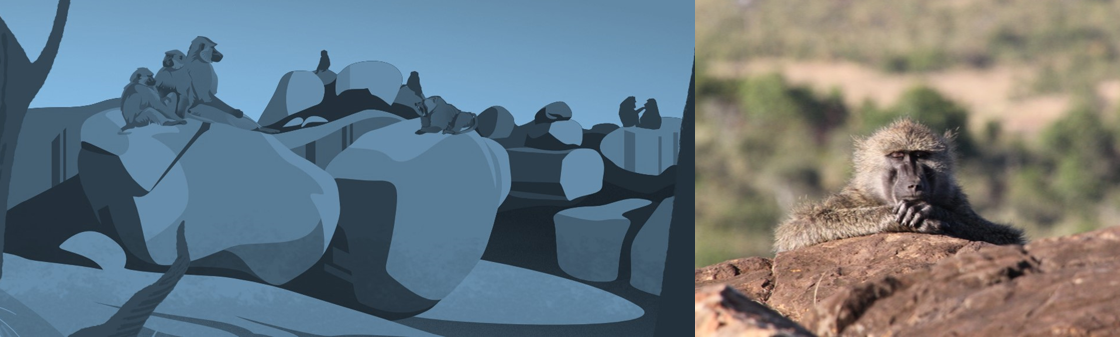
Working meeting between Primatology researchers...
Early life adversity ("ELA") can have lasting effects on development, influencing both survival and physical growth in wild animal populations. Maternal care plays a crucial role in these trajectories, and can mitigate the impact of various adversities. Although [...]
I propose and evaluate a new theory for helping to explain the evolution of endometriosis risk in humans. By this theory, endometriosis risk evolved in the context of sexual selection by males for high, relatively female-biased expression of sexually dimorphic and female-limited phenotypes associated with low testosterone and high female reproductive fitness. The theory is supported by [...]
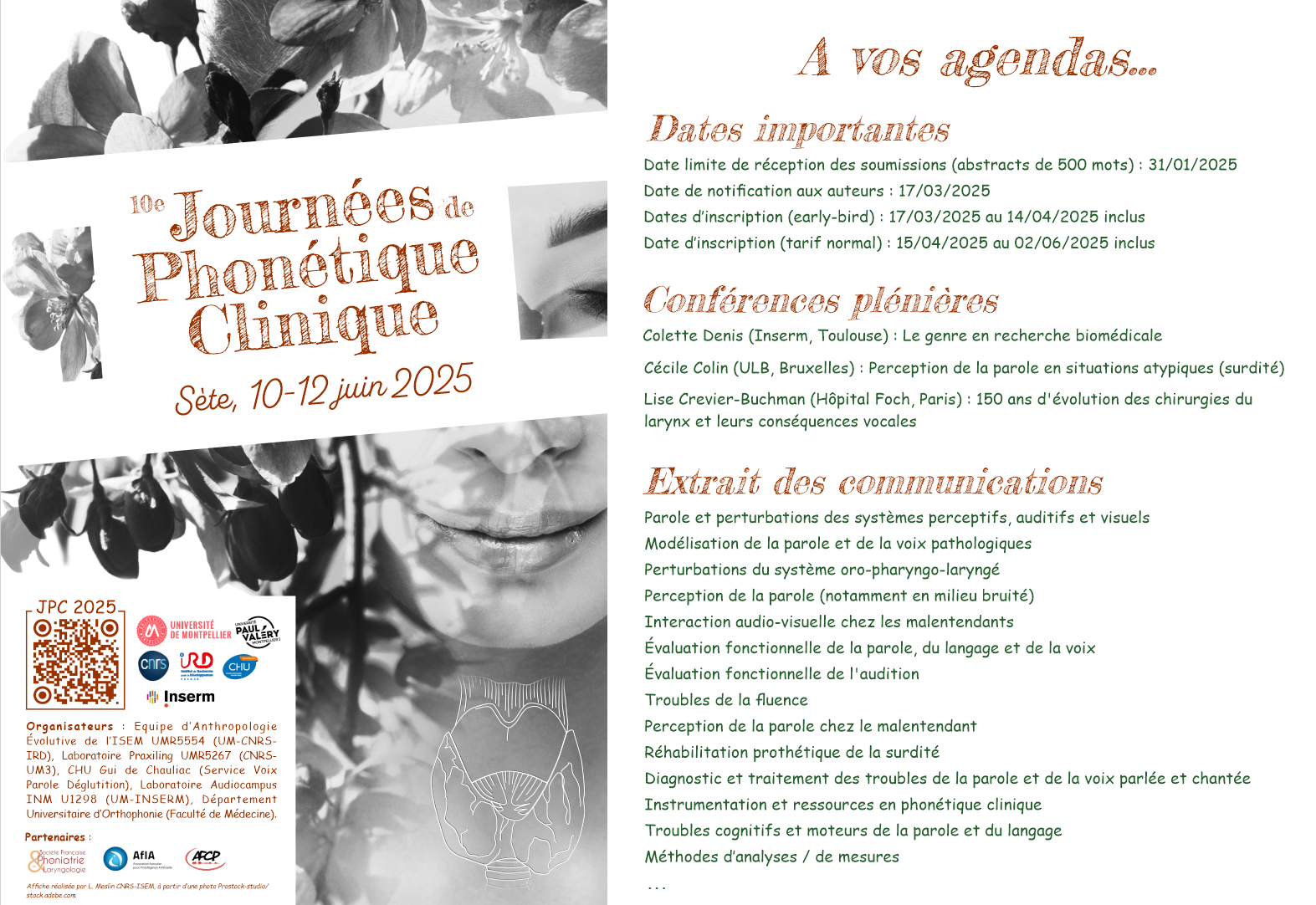
The JPC are biennial conferences of international scope. They are renowned and regarded as major conferences in the fields of voice, language and speech, whether in medical, developmental or social approaches. These multidisciplinary days are primarily intended to bring together and encourage exchanges between researchers, clinicians and phoneticians, and with all [...].
The 11th conference of the European Federation of Primatology (EFP) will be held in Montpellier from June 29 to July 3! This is the second time that the EFP meeting has been held in France, and we are delighted to welcome students and colleagues passionate about primatology to the South of France for a week.
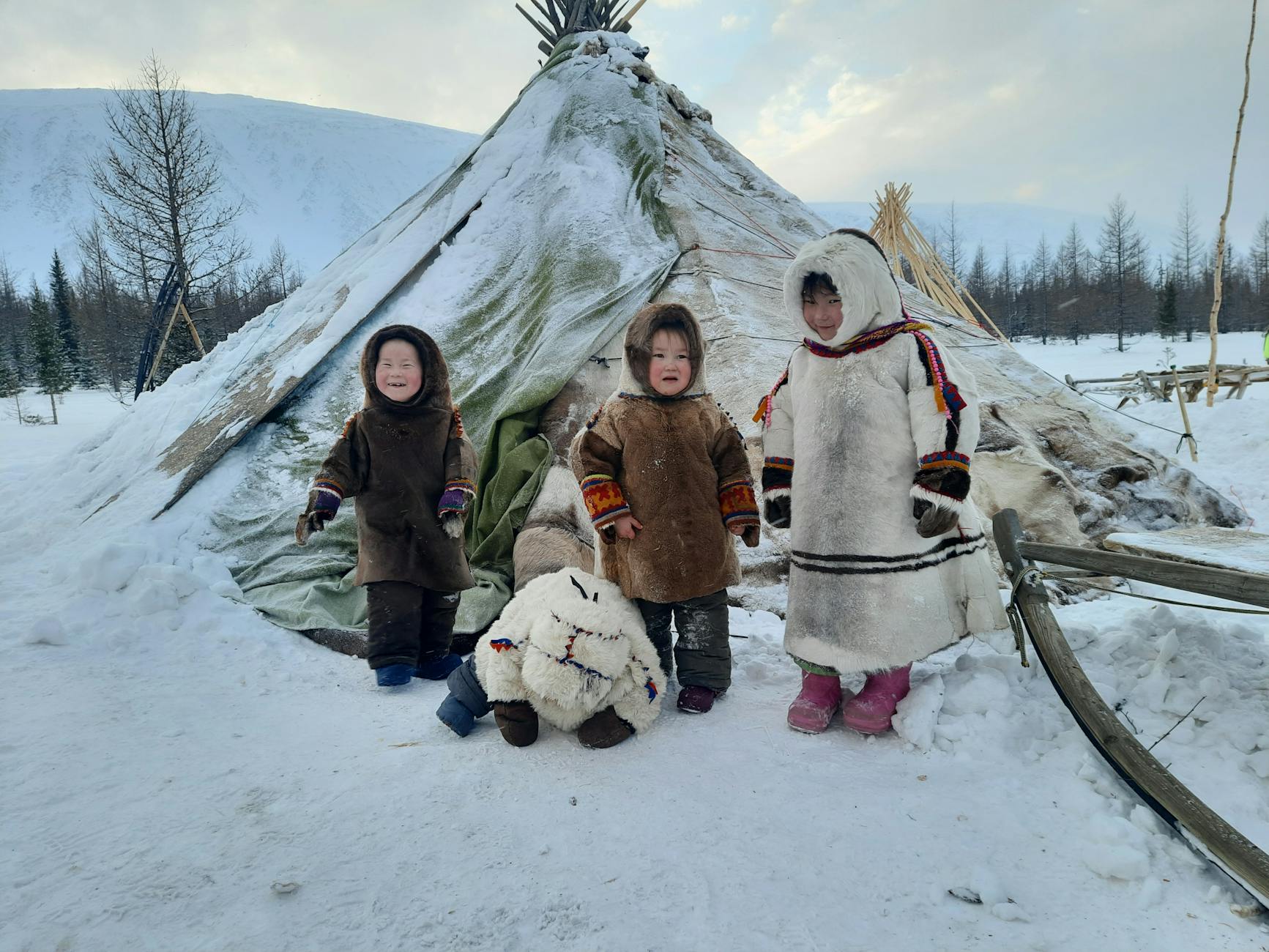
Informal resource exchange networks are fundamental to people's livelihoods in many remote and rural communities worldwide. For hunter-gatherer and former hunter-gatherer populations in particular, food sharing is often central to their subsistence system and to their cultural identity. Food sharing is often understood as serving a risk-management function, but an important question in evolutionary anthropology [...]
Cooperation lies at the heart of human evolution, shaping both our biology and our social environment. Here, we examine the ecological and evolutionary underpinnings of cooperation through lessons learned from long-term fieldwork with the Hadza hunter-gatherers of northern Tanzania. The sharing of [...]
Whether social or solitary, all animals sleep. From bees to humans, animals spend between 12% and 83% of their lives in a behavioral state characterized by reduced reactivity to environmental stimuli. Although the ultimate function of sleep remains hotly contested, its importance is unanimously recognized: a [...]
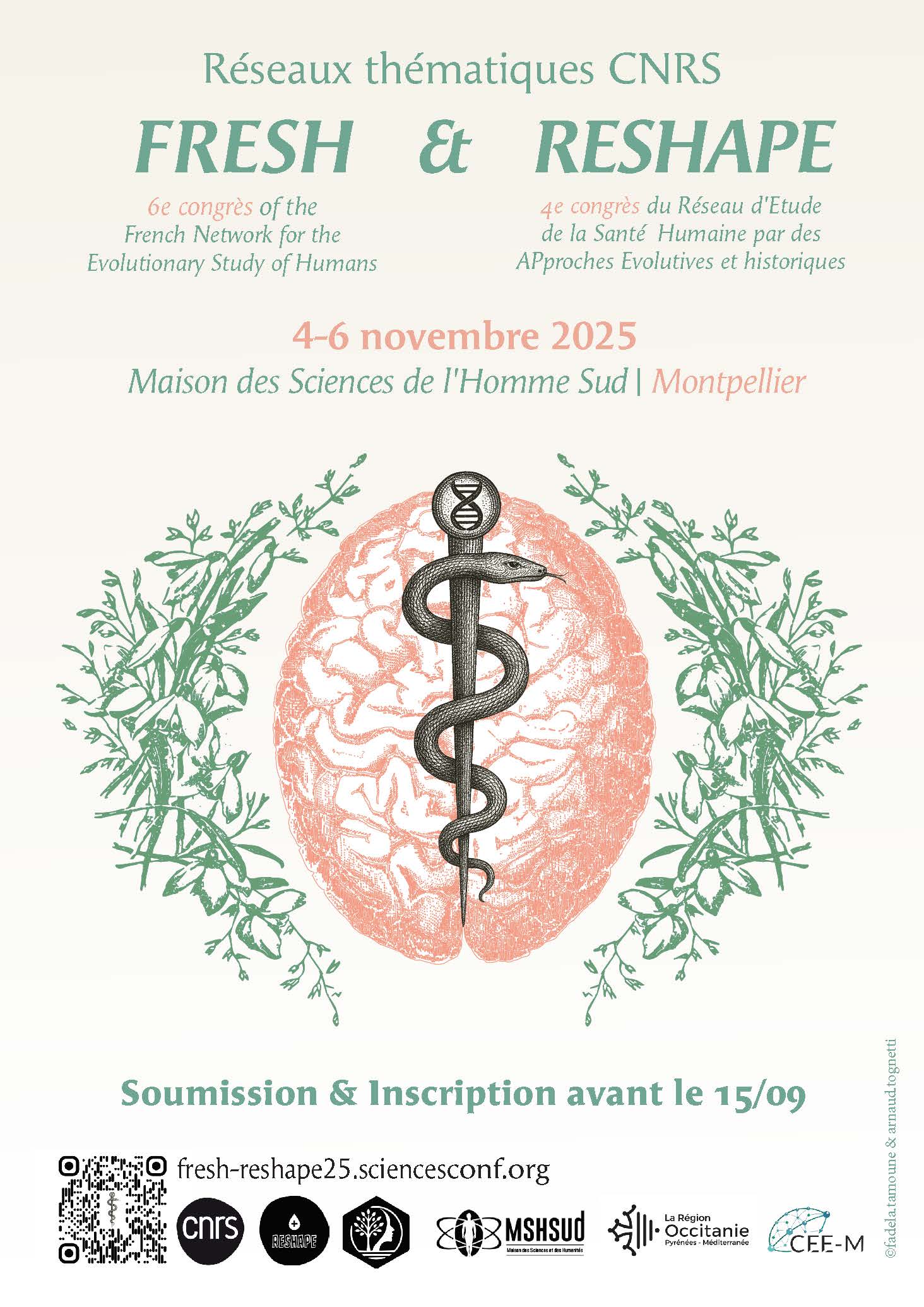
A highlight of this 2025 edition will be the joint session (in English) on Wednesday afternoon, November 5, on the theme of "Evolutionary Medicine & Public Health Challenges".
Susan Alberts Dpt Biology, Duke University, Durham, USA Comprendre les sources de variation de la reproduction et de la survie dans les populations animales naturelles est essentiel à la fois pour la biologie évolutive et l’écologie comportementale. Je présente ici les résultats de deux études distinctes portant sur la reproduction et la survie dans une […]