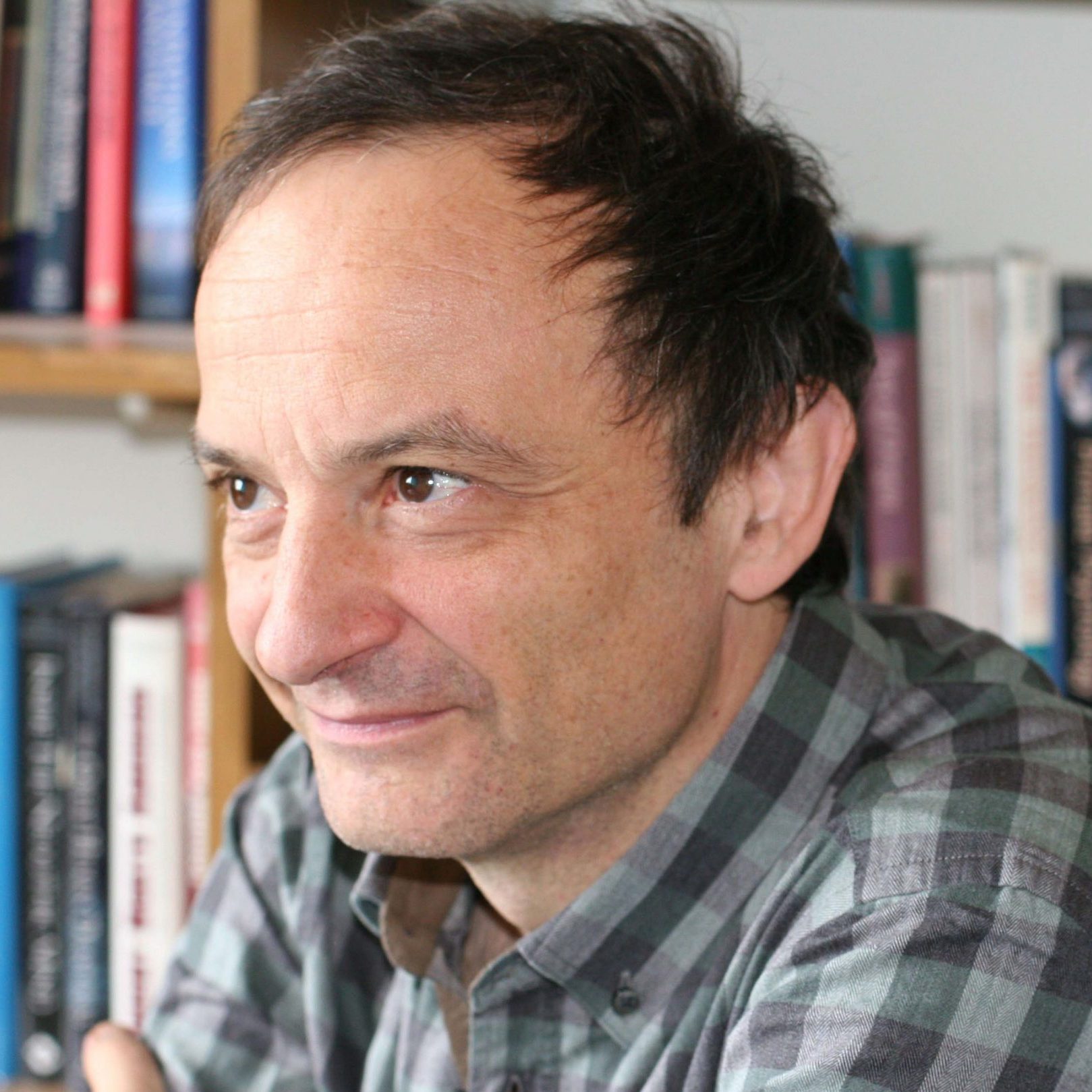
Michel Raymond
Research Director
La biologie évolutive humaine, en bousculant les barrières traditionnelles (mais arbitraires) entre la biologie évolutive et les sciences humaines, aborde sous un angle nouveau tout ce qui a trait à l'espèce humaine.
Je m'intéresse particulièrement à l'évolution culturelle, aux conflits autour de l'investissement parental, à l'évolution des préférences esthétiques, à la compréhension de la latéralité manuelle, et à certains paradoxes darwiniens (caractère fréquent et héritable, associé à une plus faible survie ou reproduction).
Je propose un module optionnel d'enseignement (introduction à la biologie évolutive humaine) dans le parcours M2R Biodiversité, Ecologie Evolution.
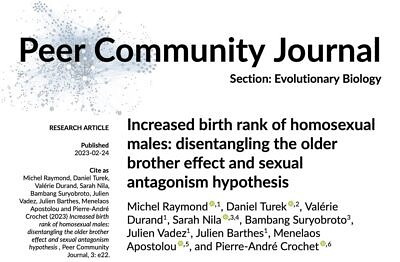
Raymond et al. 2023
Lien vers l’article Dernier article sur la préférence homosexuelle masculine: comment expliquer l’effet du rang...
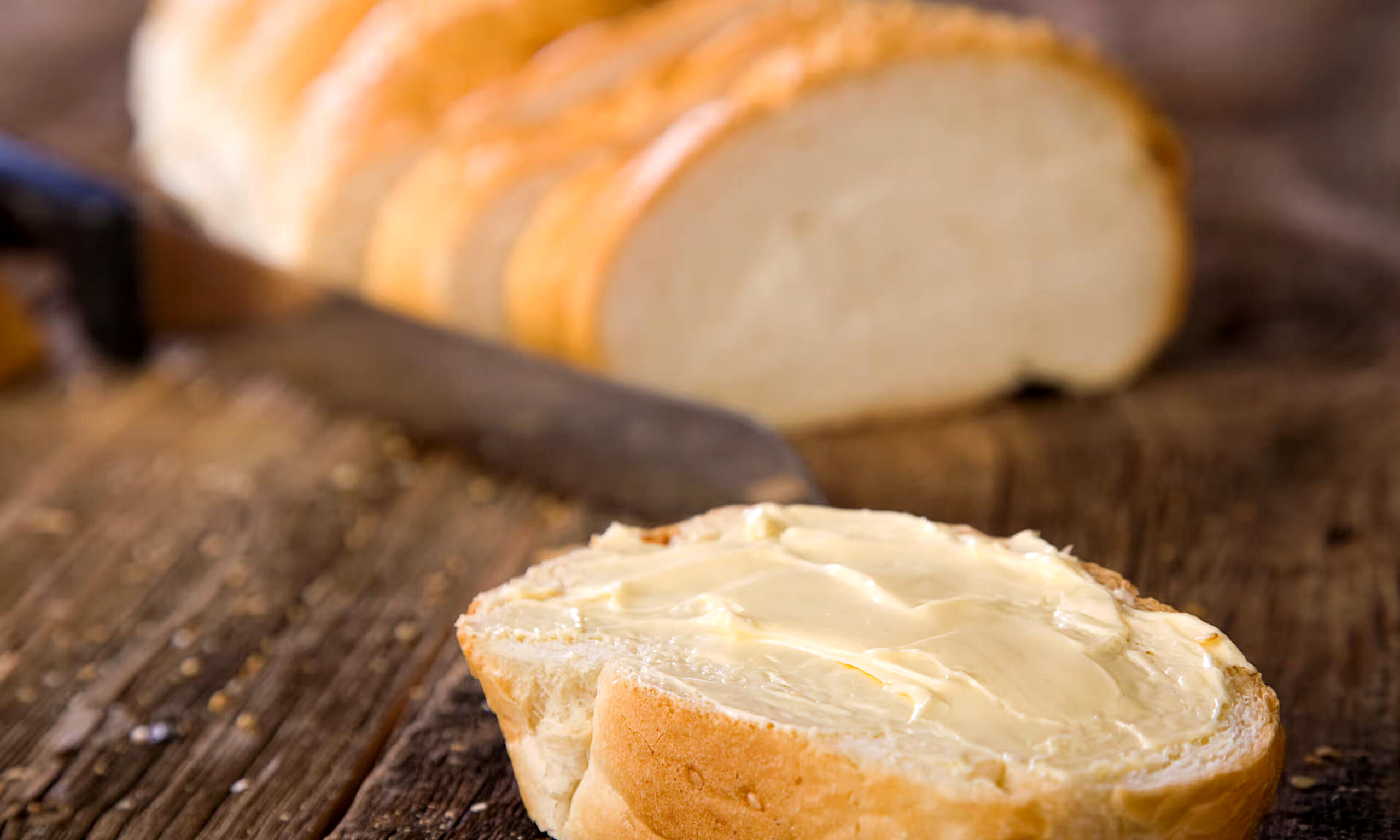
Les personnes qui consomment un petit-déjeuner riche en glucides raffinés sont jugées moins attractives…
Selon une étude… article de presse paru dans « The Guardian » Article de presse paru dans...
Influence of phylogenetic proximity on children’s empathy towards other species
L’empathie est une compétence sociale essentielle qui se développe progressivement durant l’enfance. Bien qu’elle soit...
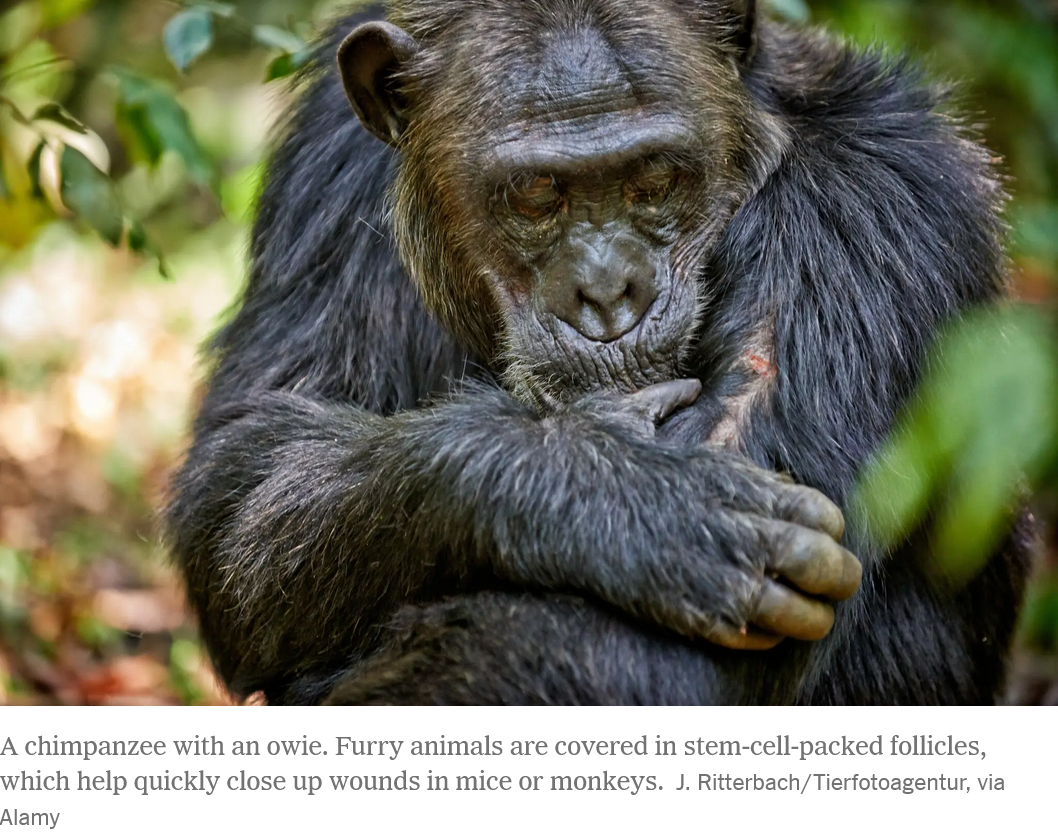
Empathie envers les autres espèces
Riche, diversifiée et complexe, la palette d’émotions que nous ressentons au contact des autres
organismes est...
Alimentation et maladaption chez l’humain
Au cours du 20e siècle, un changement substantiel de régime alimentaire a eu lieu dans...
Adaptation génétique au risque
L'objectif de ce projet est d'étudier les comportements de prise de risque, la possibilité...
A broader cultural view is necessary to study the evolution of sexual orientation
La causalité de l’orientation sexuelle est probablement complexe et influencée par de multiples facteurs. Nous...
- 1
- 2
194 documents
- Arnaud Tognetti, Claire Berticat, Michel Raymond, Charlotte Faurie. Sexual Selection of Human Cooperative Behaviour: An Experimental Study in Rural Senegal. PLoS ONE, 2012, 7 (9), pp.e44403. ⟨10.1371/journal.pone.0044403⟩. ⟨hal-04023838⟩
- Frédéric Thomas, Simon Daoust, Michel Raymond. Can we understand modern humans without considering pathogens?. Evolutionary Applications, 2012, 5 (4), pp.368-379. ⟨10.1111/j.1752-4571.2011.00231.x⟩. ⟨hal-02505267⟩
- Jeanne Bovet, Julien Barthes, Valérie Durand, Michel Raymond, Alexandra Alvergne. Men’s Preference for Women’s Facial Features: Testing Homogamy and the Paternity Uncertainty Hypothesis. PLoS ONE, 2012, 7 (11), pp.e49791. ⟨10.1371/journal.pone.0049791⟩. ⟨hal-04136501⟩
- Fréderic Thomas, Eric Elguero, Jacques Brodeur, Benjamin Roche, Dorothée Missé, et al.. Malignancies and High Birth Weight in Human: Which Cancers Could Result from Antagonistic Pleiotropy?. Journal of Evolutionary Medicine, 2012, 1, pp.1-5. ⟨10.4303/jem/Q120502⟩. ⟨hal-02513097⟩
- Charlotte Faurie, Violaine Llaurens, Tatyana Hegay, Michel Raymond. Handedness and socioeconomic status in an urban population in Uzbekistan. Evolution and Human Behavior, 2012, 33 (1), pp.35-41. ⟨10.1016/j.evolhumbehav.2011.05.003⟩. ⟨hal-04023682⟩
- Melissa Barkat-Defradas, Michel Raymond. Speech tempo: an honest signal for selecting mate for reproduction?. Human Behavior and Evolution Society, Jun 2011, Montpellier, France. ⟨halshs-00778980⟩
- Olivier Duron, Michel Raymond, Mylène Weill. Many compatible Wolbachia strains coexist within natural populations of Culex pipiens mosquito. Heredity, 2011, 106 (6), pp.986-993. ⟨10.1038/hdy.2010.146⟩. ⟨hal-01944606⟩
- Charlotte Faurie, Violaine Llaurens, Alexandra Alvergne, Marcel Goldberg, Marie Zins, et al.. Left-handedness and Male-Male Competition: Insights from Fighting and Hormonal Data. Evolutionary Psychology: an International Journal of Evolutionary Approaches to Psychology and Behavior, 2011, 9 (3), pp.354-370. ⟨hal-04023897⟩
- Aurélie Célérier, Elise Huchard, Alexandra Alvergne, Delphine Féjan, Floriane Plard, et al.. Detective mice assess relatedness in baboons using olfactory cues. Journal of Experimental Biology, 2010, 213 (9), pp.1399-1405. ⟨10.1242/jeb.038349⟩. ⟨hal-04219547⟩
- Alexandra Alvergne, Charlotte Faurie, Michel Raymond. Are parents' perceptions of offspring facial resemblance consistent with actual resemblance? Effects on parental investment. Evolution and Human Behavior, 2010, 31 (1), pp.7-15. ⟨10.1016/j.evolhumbehav.2009.09.002⟩. ⟨hal-04025938⟩
Documents récupérés de l'archive ouverte HAL 
Follow Me On